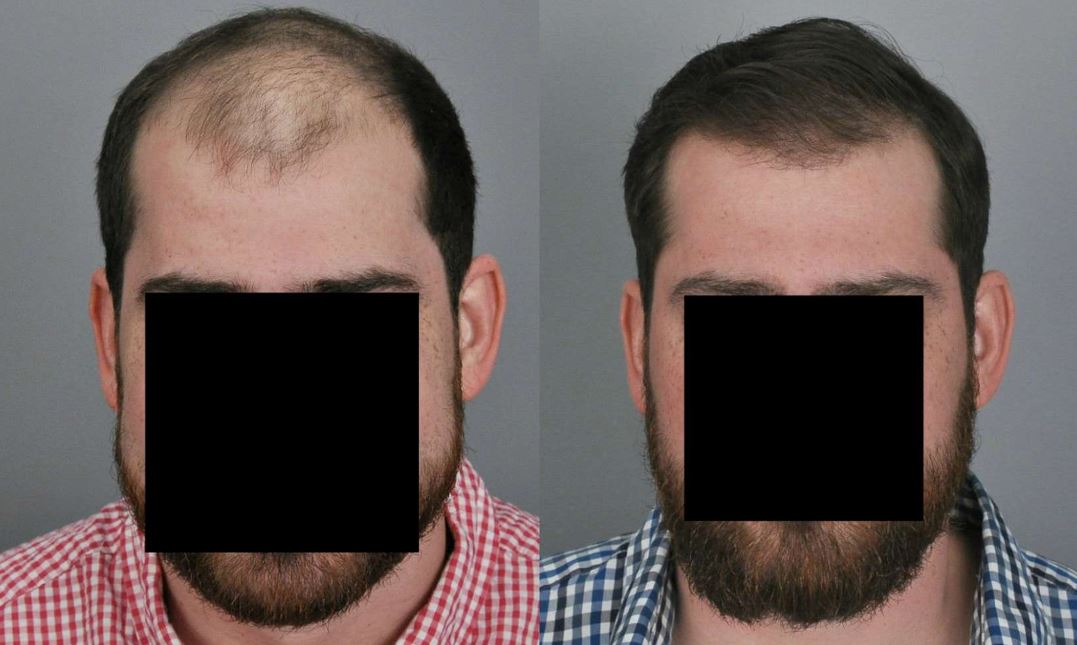
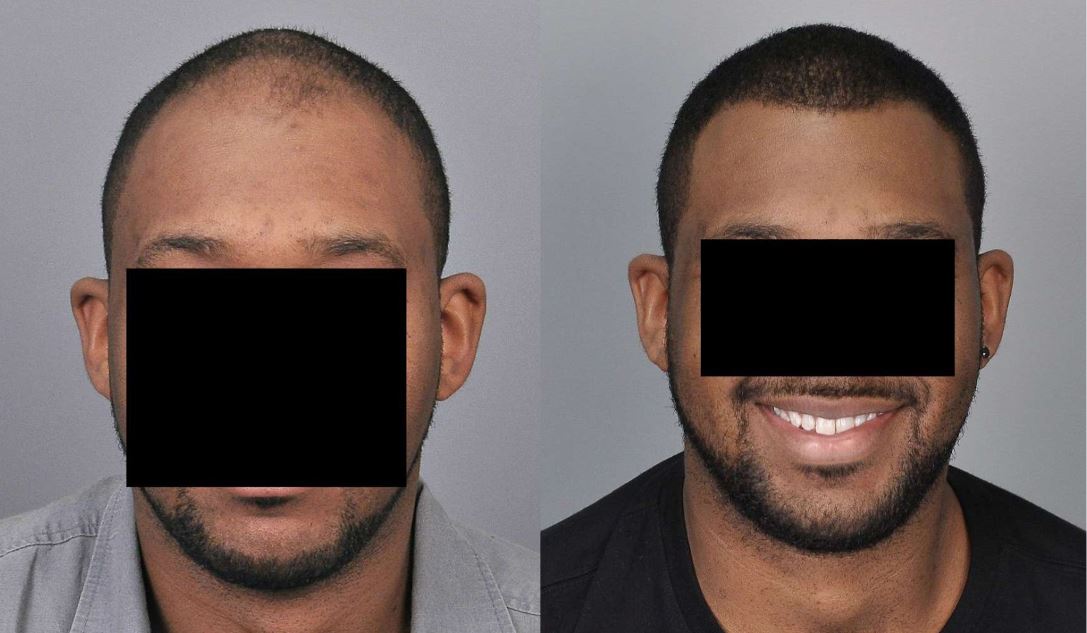
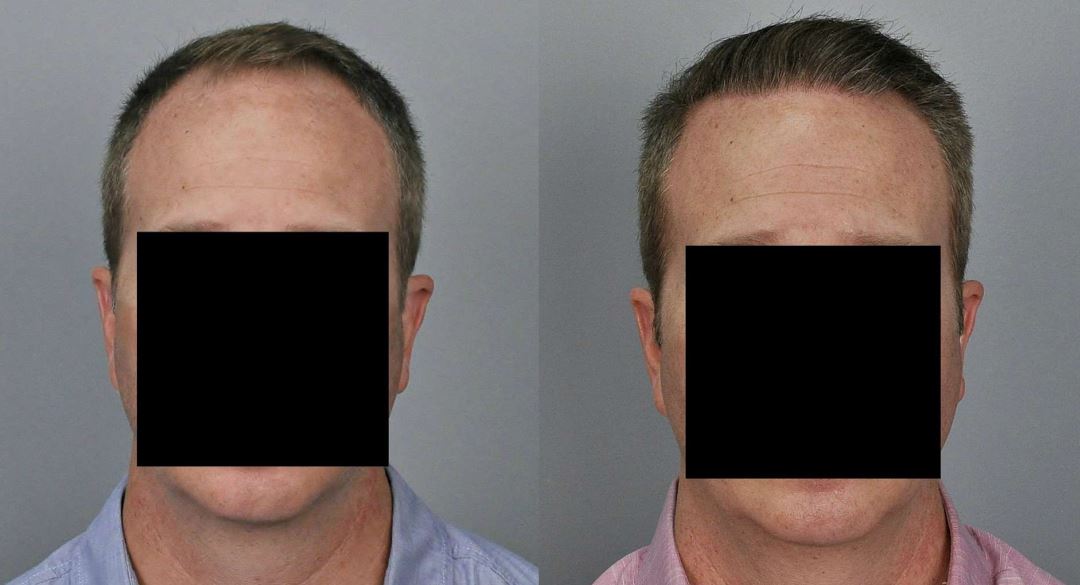
Hair loss can feel like a deeply personal challenge, and deciding to undergo a Follicular Unit Extraction (FUE) hair transplant is a significant step toward reclaiming your confidence. However, one common concern often arises: “Will I have scars after FUE?” This guide covers everything you need to know about FUE hair transplant scars, addressing your questions and easing your concerns with clear, straightforward answers.
What is a FUE Hair Transplant, and Does It Leave Scars?
FUE hair transplants are a minimally invasive hair restoration technique where individual hair follicles are extracted from the donor area—typically the back or sides of the head—and transplanted to areas with thinning or no hair. Unlike older methods like FUT (Follicular Unit Transplantation), FUE doesn’t involve removing a strip of scalp, so scarring is far less noticeable.
That said, tiny scars do form where follicles are removed. These scars are small, dot-like, and usually undetectable once the hair grows back. Let’s break down the most common concerns and provide practical insights to help you feel informed and confident.
Top Concerns About FUE Hair Transplant Scars
1. Will the scars be visible?
For most people, the scars from FUE are practically invisible, especially if you wear your hair at a medium to long length. If you prefer a close-shaved style, faint dots might be noticeable, but modern techniques ensure they blend in well.
2. Can the scars fade over time?
Yes, FUE scars naturally fade as they heal. Proper aftercare, including moisturizing the donor area and avoiding direct sun exposure, can further minimize their appearance.
3. Is there a risk of complications with FUE scars?
Complications are rather rare with FUE, but infection or poor healing can accentuate scarring. Choosing an experienced surgeon is key to reducing these risks.
Tips to Minimize FUE Scarring
Minimizing FUE scars starts with the right care before and after your procedure. Here are expert-approved tips:
Pre-Procedure:
- Choose a skilled surgeon: Research specialists with strong reviews and examples of successful procedures.
- Avoid smoking or alcohol: These can impede healing and increase the likelihood of visible scarring.
Post-Procedure:
- Follow aftercare instructions carefully. This includes keeping the donor area clean and avoiding activities that could possibly irritate your scalp.
- Use recommended ointments or creams. These can support healing and reduce scar visibility.
- Massage the donor area. After a few weeks, gentle massages may help soften scars and improve circulation.
Common Misconceptions About FUE Scars
- “FUE doesn’t leave any scars.”
While FUE significantly reduces visible scarring compared to FUT, it does leave tiny marks where follicles are extracted. - “FUE scars are permanent.”
Although scars don’t disappear completely, they fade considerably with time and proper aftercare. - “You can’t fix FUE scars.”
If you’re unhappy with the appearance of scars, options like scar camouflage treatments or micropigmentation can help.
When to Seek Additional Help
If you notice redness, swelling, or scabs that don’t heal as expected, consult your surgeon. Early intervention can prevent complications and ensure the best results.
Enhancing Your Confidence: Why FUE Is Worth It
The tiny scars left by an FUE hair transplant pale in comparison to the emotional and aesthetic benefits it brings. Seeing new hair grow where it once disappeared is a deeply empowering and transformative experience.
Imagine this: running your fingers through your hair without worrying about bald patches or scars. This isn’t just about aesthetics; it’s about regaining control and confidence over how you present yourself to the world.
FAQs About FUE Hair Transplant Scars
How soon can I cut my hair after an FUE transplant?
You’ll need to wait a few weeks before shaving or cutting your hair to allow the donor and recipient areas to fully heal.
Are FUE scars noticeable under bright light?
In certain lighting conditions, faint dots might be visible if your hair is very short, but they are generally inconspicuous.
Can I undergo a second FUE transplant?
Yes, but it’s essential to discuss your goals and the condition of your donor area with your surgeon.
Final Thoughts: Embrace the New You
An FUE hair transplant is a transformative journey, offering natural results with minimal scarring. By understanding what to expect and how to care for your scalp, you can ensure the best possible outcome.
Are you considering an FUE hair transplant or have questions about scars? Share your thoughts in the comments below or reach out to us directly. Don’t forget to share this guide with anyone exploring hair restoration options—it might just be the reassurance they need!
For more personalized advice, visit us at Cooley Hair Center or schedule a consultation today. Let’s embark on your journey to confident, healthy hair together.
FUE Hair Transplant Before and After

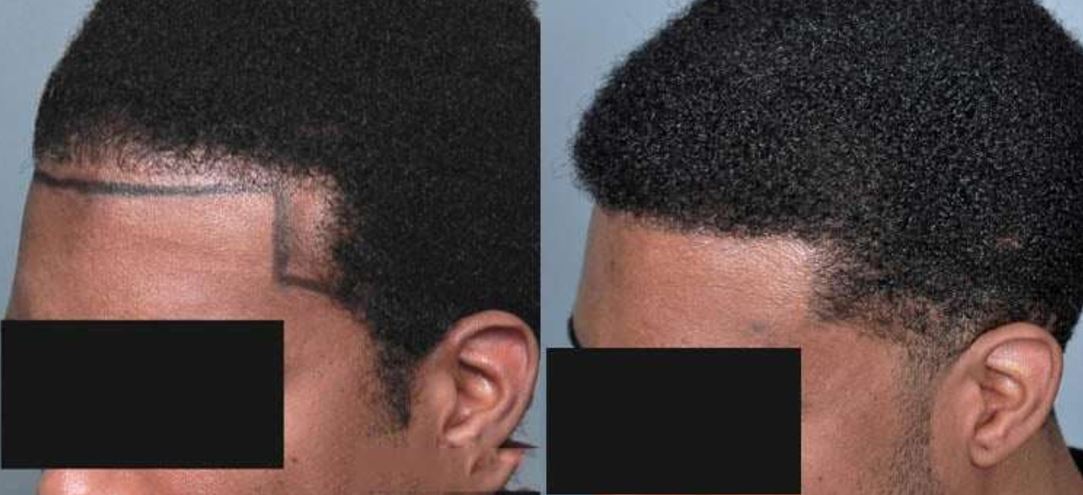
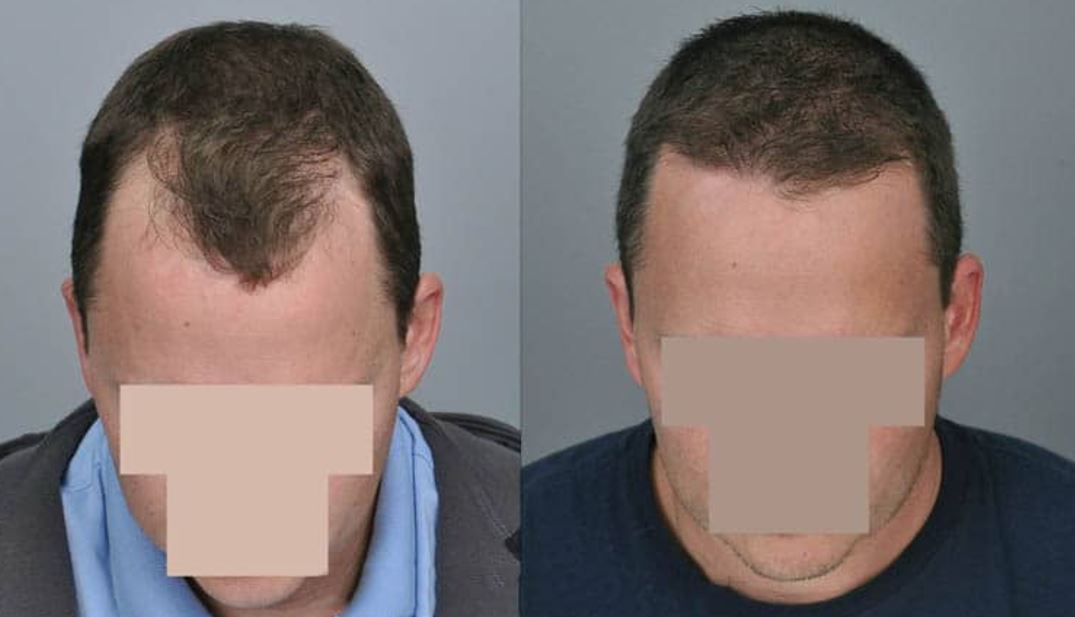
FUT Hair Transplant Before and After