Thinking about FUE hair transplant surgery? You’re not alone. Many people considering this minimally invasive procedure often have the same questions: Will it hurt? What will the results look like? How long is recovery? In this guide, we’ll answer all those questions (and more) with practical advice, relatable stories, and everything you need to know to feel confident about your decision.
What Is a FUE Hair Transplant?
FUE, or Follicular Unit Extraction, is a modern hair restoration method where individual hair follicles are extracted from a donor area (usually the back or sides of your head) and transplanted to areas where hair is thinning or missing. Unlike older methods, FUE doesn’t leave a large, noticeable scar, making it a popular choice for anyone looking for natural results with minimal downtime.
Common Concerns About FUE Hair Transplants
Before diving into the procedure, let’s address some of the most common concerns people have:
- Will it hurt?
Most patients describe the experience as relatively painless. The procedure uses local anesthesia, so you’ll be awake but feel numb in the treated areas. - What will the scars look like?
FUE creates tiny, dot-like scars that are usually undetectable, especially if you keep your hair short. - How much does it cost?
Costs vary depending on the clinic, location, and the number of grafts you need. It’s a good idea to schedule a consultation to get a personalized quote. - Will it look natural?
When performed by a skilled surgeon, FUE results blend seamlessly with your natural hairline.
Before Your FUE Hair Transplant: Preparing for Success
The preparation stage is key to ensuring the best possible outcome. Here’s what you can do to get ready:
- Consult a Specialist
Choose a reputable clinic with experienced surgeons. Don’t be afraid to ask for before-and-after photos to see their work firsthand. - Adjust Your Routine
Avoid smoking, excessive alcohol, and certain medications (like blood thinners) leading up to the procedure. These can impact healing. - Plan for Recovery
Schedule your transplant for a time when you can take a few days to rest. While FUE has a quick recovery time, it’s best to avoid strenuous activities immediately after.
What to Expect During an FUE Hair Transplant
On the day of your surgery, expect the following:
- Preparation: Your surgeon will shave the donor area and apply local anesthesia.
- Follicle Extraction: Using a tiny punch tool, the surgeon will extract individual hair follicles.
- Implantation: These follicles are placed into the recipient area, following the natural growth pattern of your hair.
- Duration: Depending on the number of grafts, the procedure can take 4–8 hours.
It’s a long process, but many clinics offer movies, music, or even naps to help you pass the time comfortably.
After Your FUE Hair Transplant: Healing and Results
The aftercare process is just as important as the surgery itself. Here’s a timeline to guide you through recovery:
- First 24 Hours
Avoid touching or washing the transplanted area. Tenderness and minor swelling is normal. - Day 2–7
You can start washing your hair gently with a mild shampoo. Follow your surgeon’s instructions carefully. Scabs may form around the grafts—don’t pick at them! - Week 2–4
Some transplanted hairs may fall out during this “shedding phase.” This is completely normal and a sign that new hair growth is on the way. - 3–6 Months
The transplanted hair begins to grow, blending naturally with your existing hair. - 1 Year
By this point, you’ll see the full results: a thicker, fuller head of hair.
Tips for Maintaining Your Results
Once your new hair is growing, keep it healthy with these tips:
- Use sulfate-free shampoos to avoid damaging the follicles.
- Stay hydrated and eat a balanced diet rich in vitamins like biotin and zinc.
- Protect your scalp from sun exposure by wearing a hat or using SPF.
- Follow up with your surgeon for regular check-ins.
Why FUE Might Be Right for You
If you’re still on the fence, ask yourself:
- Are you looking for a natural-looking solution?
- Do you want minimal scarring and downtime?
- Are you ready to invest in a procedure with long-lasting results?
If you answered yes, an FUE hair transplant might be your best choice.
How to Find the Right Clinic
Choosing the right clinic can make or break your experience. Here are some tips:
- Read Reviews: Look for real testimonials from past patients.
- Ask Questions: What’s the surgeon’s experience? What technology do they use?
- Visit in Person: A consultation is the perfect time to assess the clinic’s professionalism and hygiene.
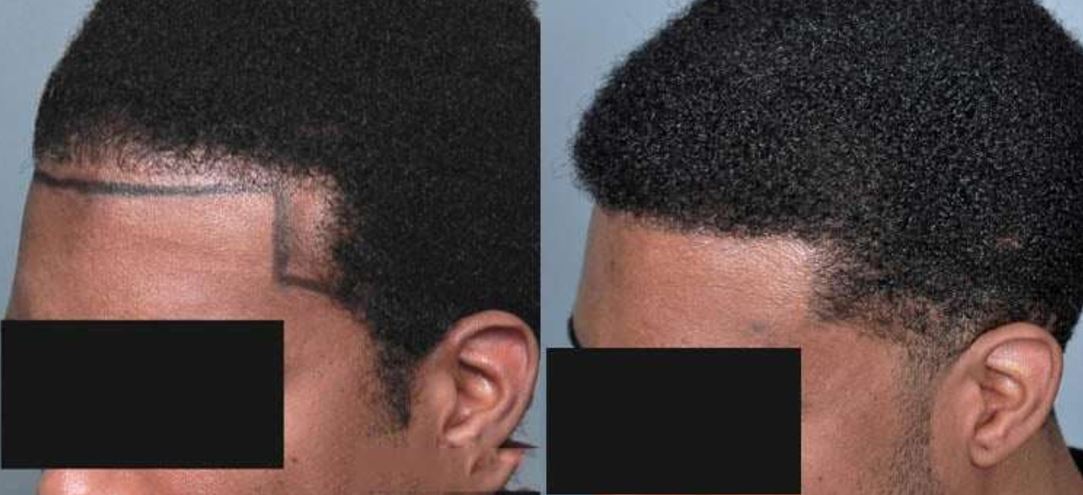
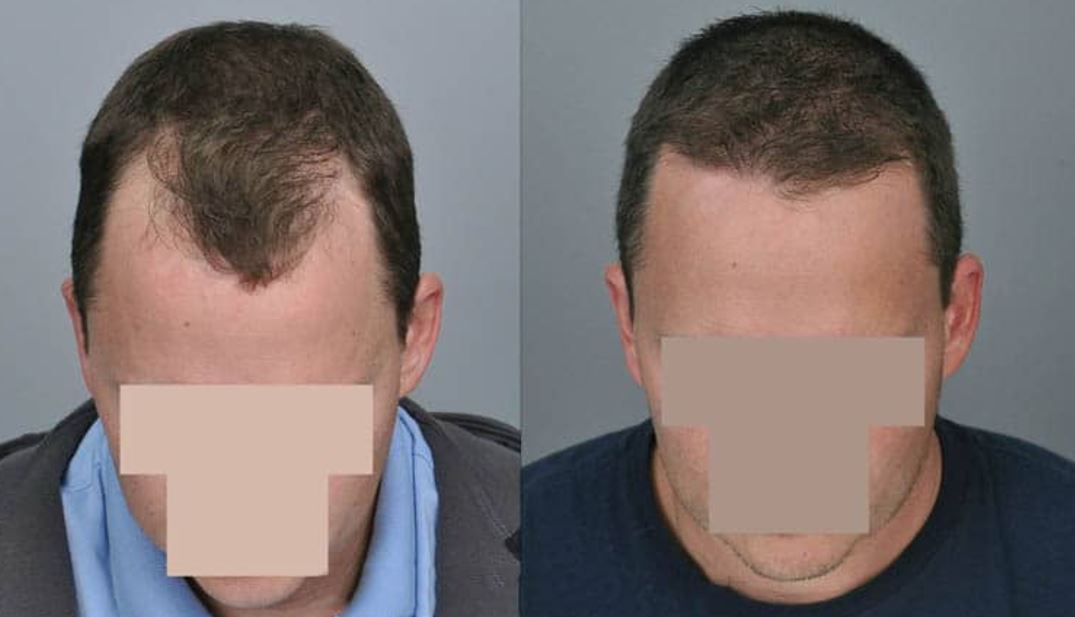
Visualizing the Transformation: Before and After
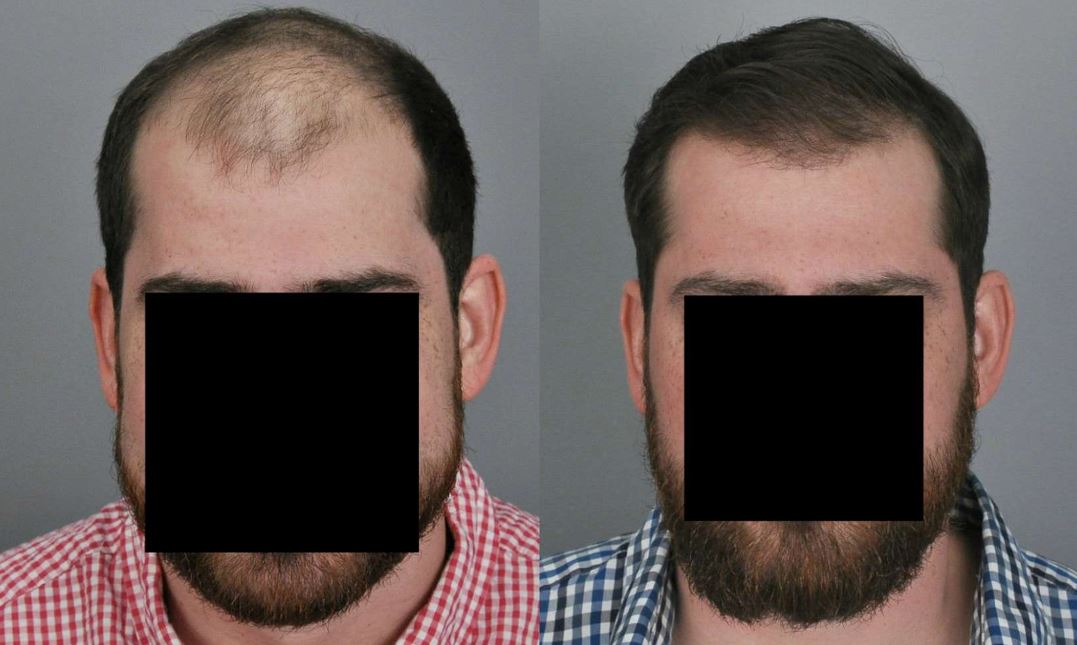
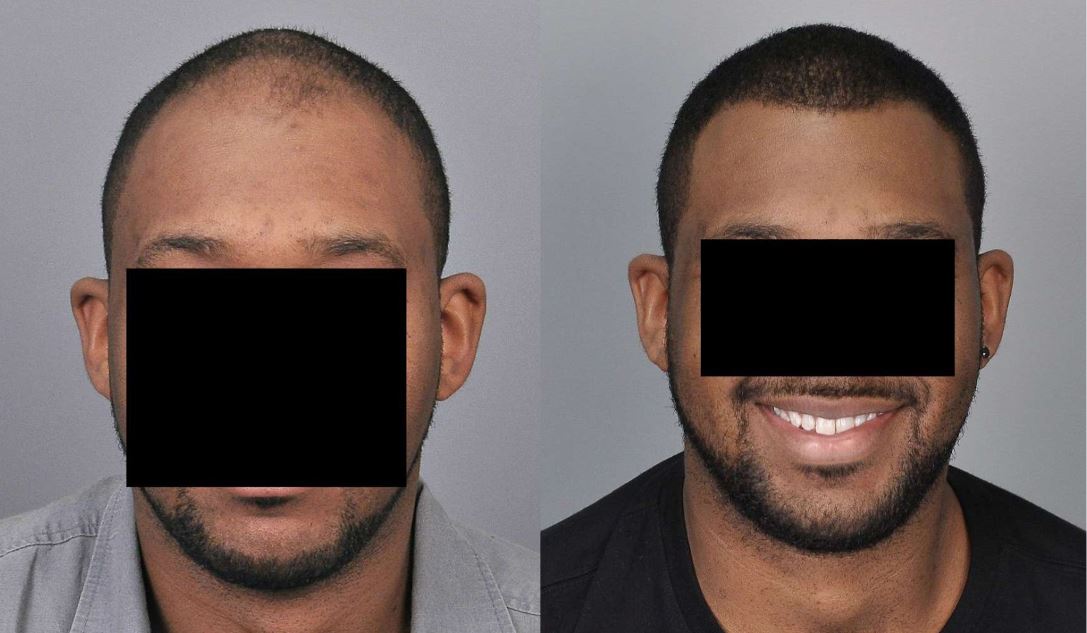
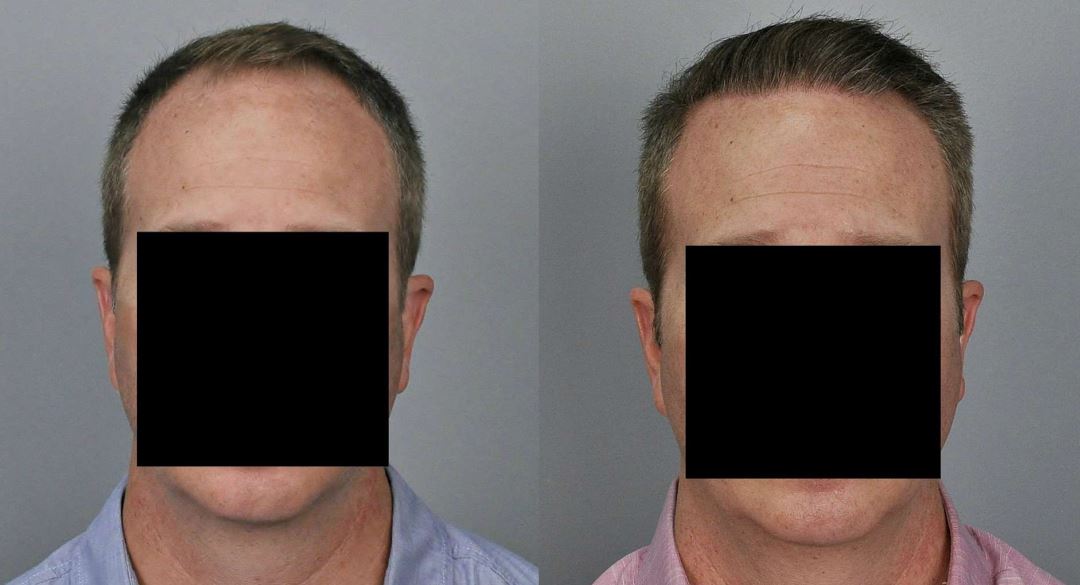
Nothing speaks louder than results. Check out these FUE hair transplant before and after photos to see how dramatic the difference can be. From receding hairlines to thinning crowns, the transformation is undeniable.
(Include images here with descriptive alt text like “FUE hair transplant before and after photos showing a receding hairline transformed into a full, natural-looking hairline.”)
Final Thoughts
Deciding to undergo an FUE hair transplant is a big step, but with the right preparation, a skilled surgeon, and proper aftercare, the results can be life-changing. Remember: You’re not just restoring hair—you’re reclaiming your confidence. And that’s priceless.
FUE Hair Transplant Before and After

FUT Hair Transplant Before and After