
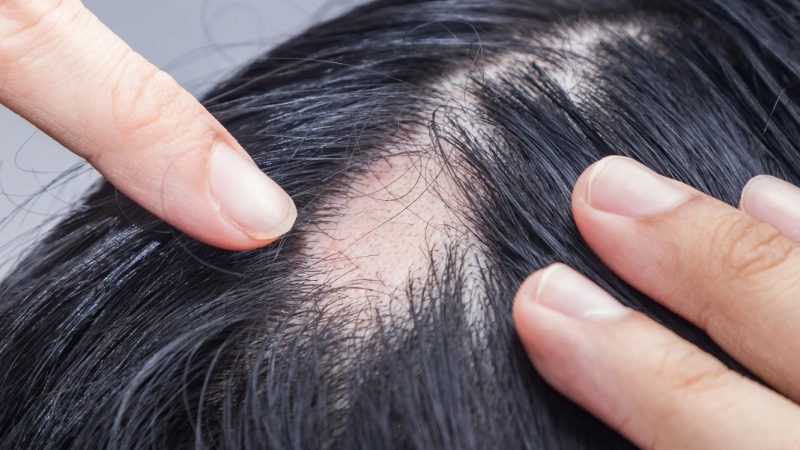
Propecia is a clinically proven treatment for male pattern baldness. It works by blocking DHT, the hormone responsible for shrinking hair follicles, helping to slow hair loss and preserve existing hair. But it’s not a miracle cure. Propecia requires daily use, realistic expectations, and a clear understanding of the potential risks.
If you’re thinking about starting Propecia, this blog covers everything you need to know: how it works, how long it takes, what results to expect, and whether it’s the right choice for you.
What is Propecia?
Propecia (brand name for finasteride) is FDA-approved to treat male pattern baldness, the most common type of hair loss in men. This condition is driven by a hormone called dihydrotestosterone (DHT), which causes hair follicles to shrink over time, leading to thinning and eventually permanent hair loss.
How Does Propecia Work?
Propecia works by inhibiting the enzyme 5-alpha-reductase, which converts testosterone into DHT. By lowering DHT levels in the scalp, Propecia helps stop the miniaturization of hair follicles, slows down hair loss, and preserves the hair you still have. It’s most effective at maintaining hair in the crown and mid-scalp areas, but is less reliable at restoring a receding hairline.
Will Propecia Regrow Hair?
Propecia cannot grow hair that’s already lost. Its main job is to stop further hair loss. That said, some men do see mild to moderate regrowth, especially in thinning areas like the crown, within 6 to 12 months of daily use.
However, results vary. If the hair follicle is already dead, Propecia won’t bring it back. Its strength lies in preserving active follicles and thickening miniaturized hairs, which can make thinning areas look fuller. If regrowth is your main goal, many doctors recommend combining Propecia with other treatments like minoxidil or PRP therapy for better results.
How Well Does Propecia Work?
Propecia (finasteride 1mg) is effective in treating male pattern baldness, particularly when started early and taken consistently. In long-term studies, approximately 90% of men experienced either a halt in hair loss progression or visible improvement.
While Propecia is primarily used to prevent further hair loss, some users do experience regrowth. The extent of regrowth varies among individuals and is more likely in areas where hair follicles are still active. Most users begin to notice effects within 3 to 6 months, with optimal results typically observed after 12 months of daily use.
How Long Does Propecia Take to Work?
It typically takes 3 to 6 months of consistent daily use before you start seeing any changes. For some men, it can take up to 12 months to notice a significant difference in hair thickness or reduced shedding.
It’s common to experience increased shedding in the first few weeks. Although this can be alarming, it’s a normal part of the hair cycle. Propecia pushes weaker, thinning hairs into the shedding phase so they can be replaced with stronger, healthier hairs over time.
What Happens When You Stop Taking Propecia?
You have to take Propecia every day. If you stop, your DHT levels will rise again, and any progress you’ve made will likely be lost within several months. It’s a long-term commitment if you want to maintain results. Propecia works best when started early in the hair loss process (before significant follicle damage occurs). The longer you wait, the harder it is to preserve or improve your hair density.
Is Propecia Safe?
Propecia is generally safe when taken as prescribed. It’s FDA-approved and has been on the market for over 25 years. Millions of men have used it without issues.
That said, like any medication, it can cause side effects. The most talked-about are sexual side effects, including decreased libido, erectile dysfunction, or lower semen volume. These happen in a small percentage of users. Studies estimate around 1% to 2%, and they often go away after stopping the medication.
There have also been reports of persistent side effects even after discontinuing Propecia, sometimes referred to as Post-Finasteride Syndrome (PFS). This is rare and not fully understood, but it’s something to discuss with your doctor before starting treatment.
Can Women Take Propecia?
No. Propecia is not approved for women, especially those who are pregnant or may become pregnant. Finasteride can cause serious birth defects if a developing male fetus is exposed, even through skin contact with crushed or broken tablets.
Some doctors may prescribe low-dose finasteride off-label for postmenopausal women with female pattern hair loss, but this is rare and closely monitored. There’s limited research on its safety and effectiveness in women, and potential side effects, like hormonal changes, can be a concern.
For women dealing with hair thinning, other treatments like minoxidil, PRP, or ACell are typically safer and more effective options.
Do I Need to Use Finasteride After a Hair Transplant?
Using finasteride (Propecia) after a hair transplant isn’t required, but it’s highly recommended. A hair transplant moves permanent hairs from the back of your head to thinning areas. Those transplanted hairs are resistant to DHT and won’t fall out. But the native hairs around them are still vulnerable to ongoing hair loss.
Propecia helps preserve those native hairs by blocking DHT and slowing future loss. Without it, you may notice thinning continue around the transplanted area, which can affect the overall look and density of your results over time.
At Cooley Hair Center, we often recommend Propecia to maintain long-term results, especially in younger patients or those with pattern hair loss. Dr. Cooley will help you decide if it’s the right option for you.
Is Propecia Available Over the Counter?
Propecia is a prescription-only medication in the United States. It is not available over the counter. To obtain Propecia, you must consult with a licensed healthcare provider who can evaluate your suitability for the treatment and provide a prescription.
At Cooley Hair Center, we prioritize patient safety and personalized care. Dr. Jerry Cooley will assess your hair loss concerns and determine if Propecia is an appropriate option for you. We can also discuss alternative treatments, such as minoxidil or hair transplantation, based on your individual needs.
Call us today to schedule your consultation. We serve patients in North Carolina and surrounding areas, including Charlotte, Lancaster, Mint Hill, Matthews, Monroe, and Gastonia.